

AidKit
VP of Marketing at AidKit, a Series A B2B & B2G SaaS platform providing aid and benefits delivery infrastructure for governments and nonprofits. Built the marketing function from zero — demand generation, product marketing, brand, PR, and operations. Executed a full website rebrand in 26 days at $4.7K in development costs, approximately 4× faster and 60–80% cheaper than B2B benchmarks. Scaled a partner webinar program into a primary demand generation channel — the most recent event generated nearly $1M in attributed pipeline within one week. Generated an average of $1.6M in marketing-attributed pipeline per quarter, optimized for 6–18 month public sector sales cycles.
What needed to change
AidKit had built a strong product and a clear message around it: we provide modern tools for public benefits, allowing customers to replace existing point solutions with an end-to-end platform to run applications, eligibility, IDV, and payments. This positioning had worked for the early use cases, mostly guaranteed income pilots funded by ARPA dollars during the pandemic - but didn't serve the company's ambitions across multiple use cases in the post-Covid era. What I pushed for was a shift from tools to infrastructure — specifically, the kind of always-on, permanent infrastructure that enabled customers to deploy cash assistance programs in hours and get funds into people's hands at scale. This framing crystalized our value prop and addressed growing urgency around natural and economic disasters, and resonated most strongly with public agencies like county emergency and economic development offices, and nonprofit / humanitarian organizations like Save the Children, GiveDirectly, and CARE.
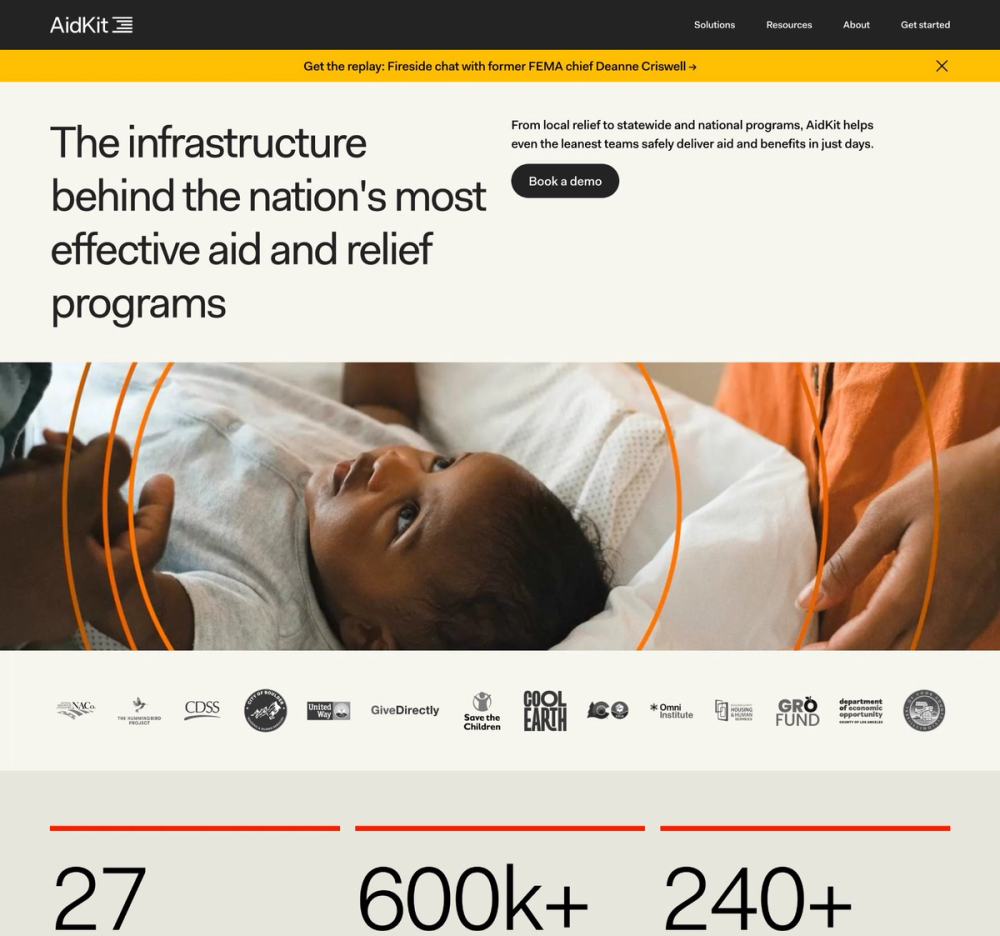
AIDKIT.COM · WEBSITE REBRAND
26-DAY BUILD · ~4× FASTER THAN B2B BENCHMARK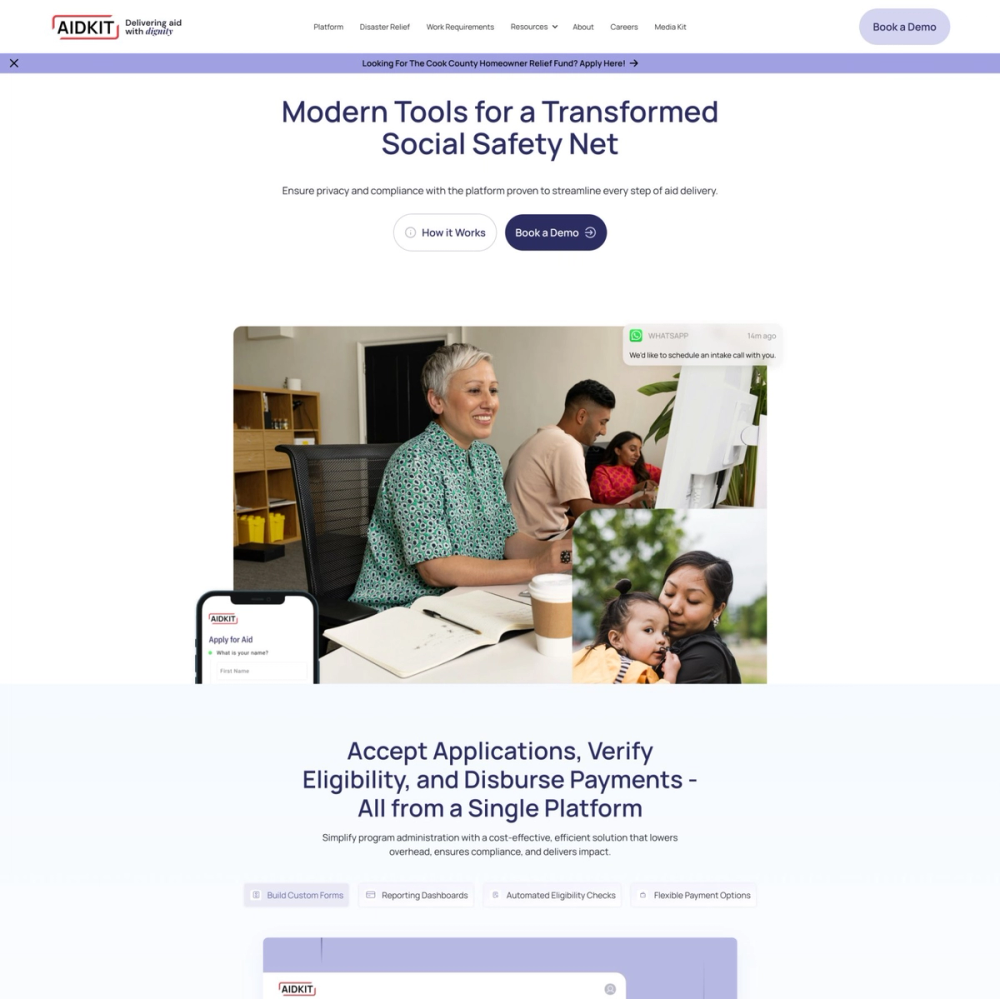
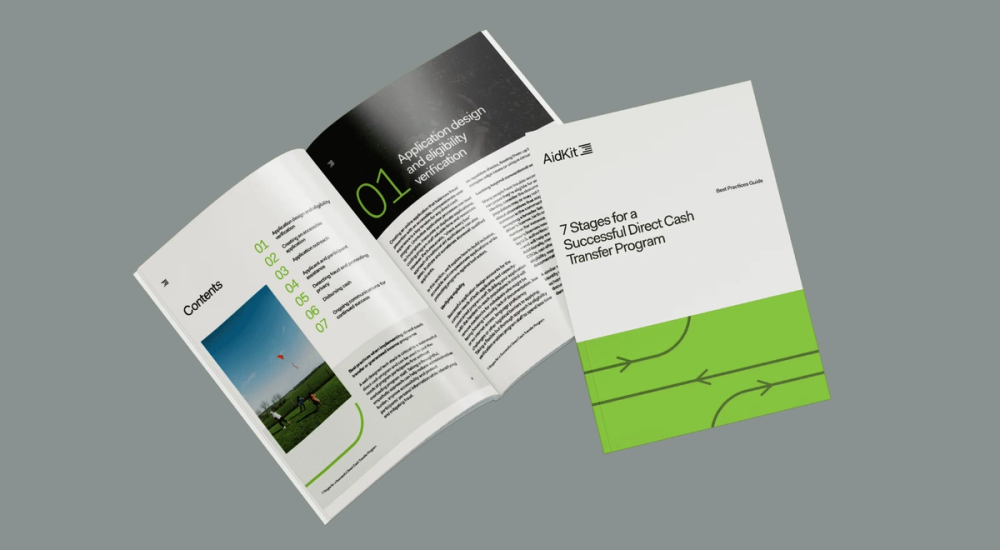
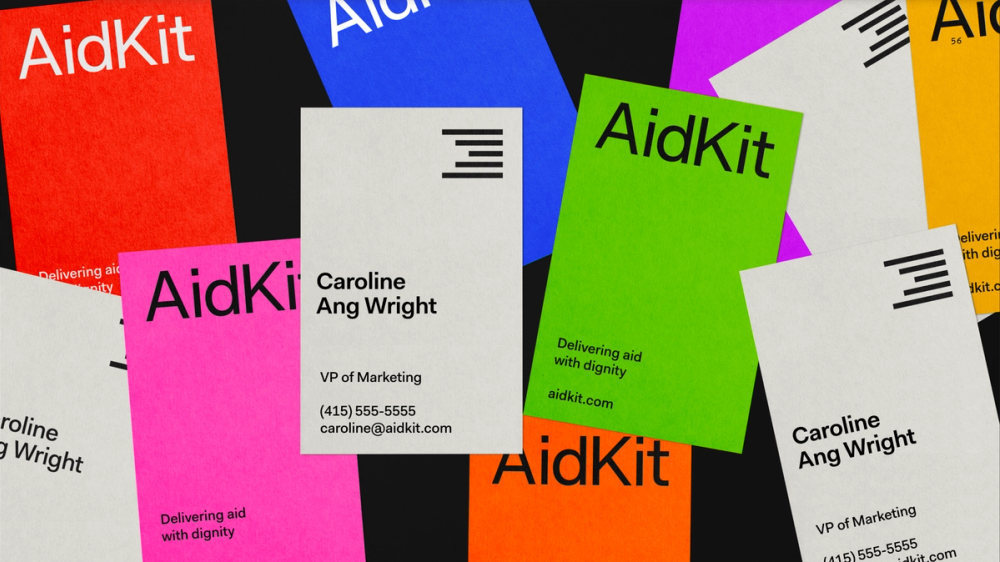
BRAND & COLLATERAL
Strategy & Execution
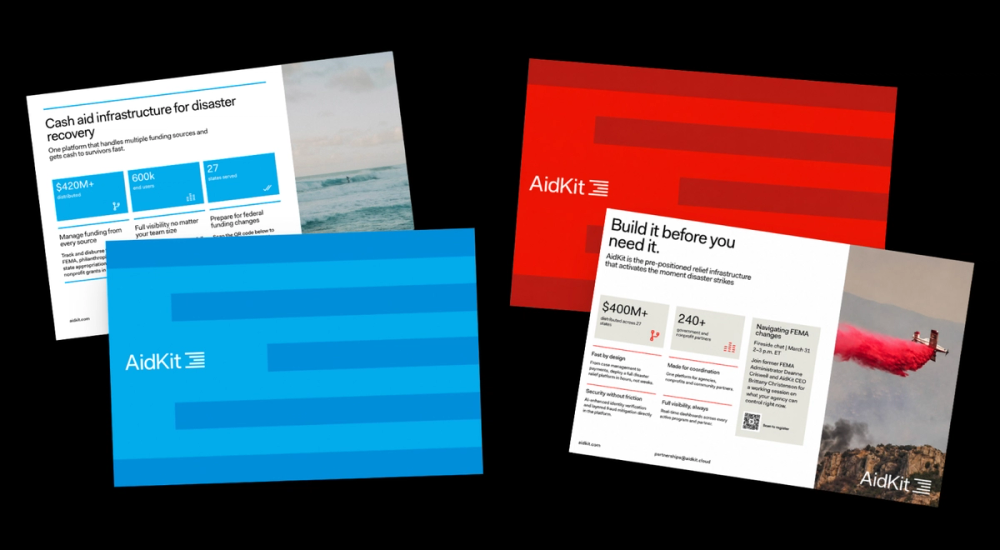
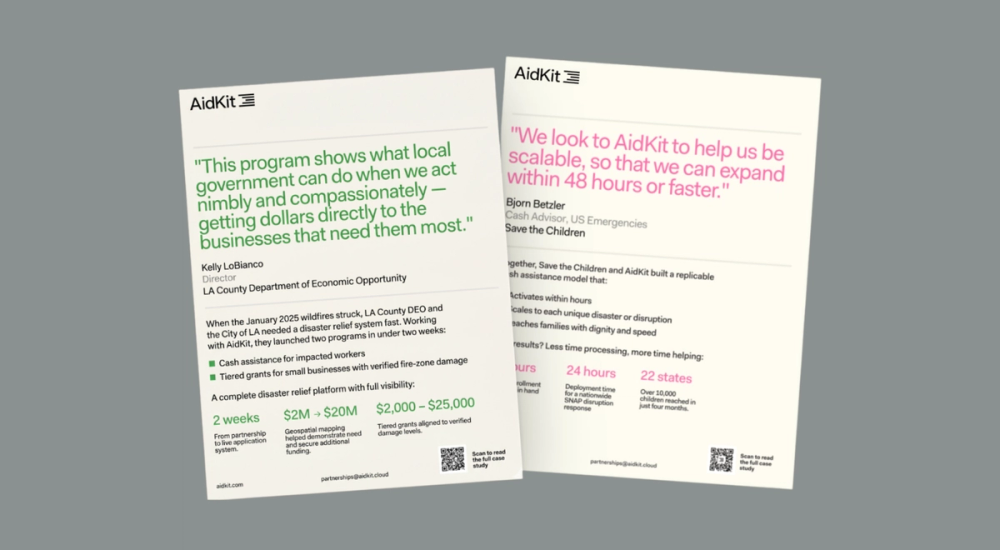
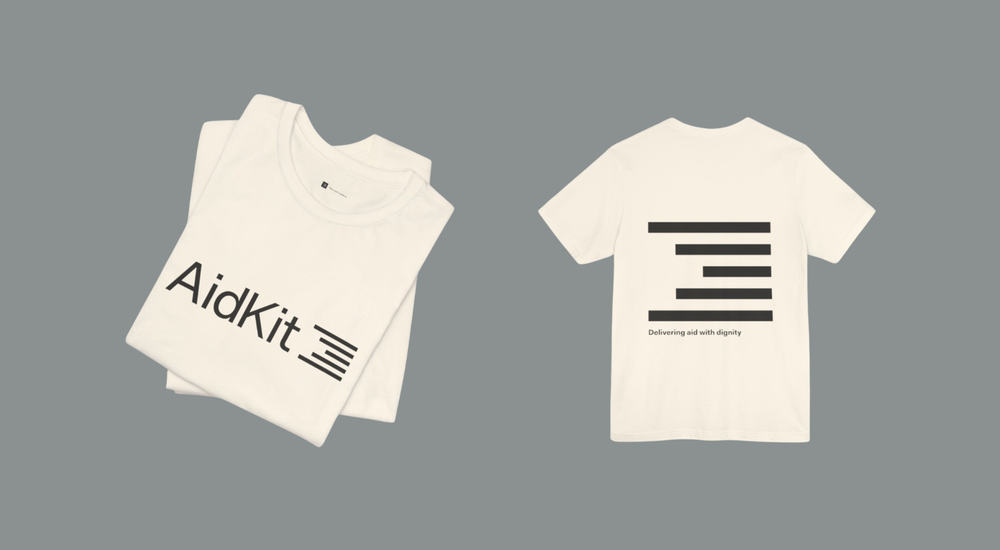
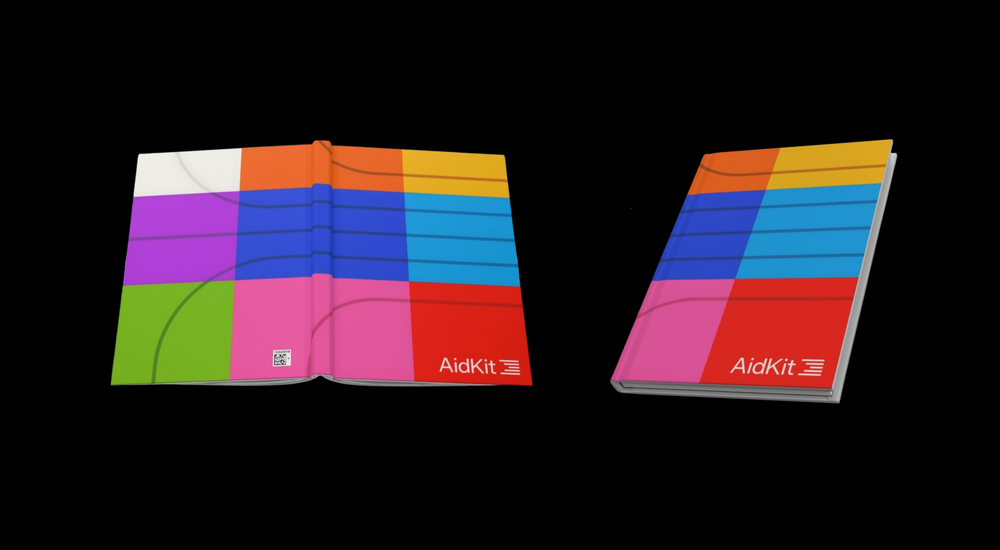
When I joined, sporadic marketing activity was happening — but there wasn't any way to know if it was working. There were no definitions for funnel stages and no systems in place for marketing KPI tracking and attribution. As the first marketing hire, I had to create the strategy, run the programs, and build the infrastructure to measure it. By the time I left, we could point to concrete growth in marketing-qualified leads, and marketing-attributed pipeline and revenue by channel. The webinar program started with co-presented customer case studies. Those drove leads, but not pipeline. The format changed when it became clear that government and nonprofit buyers don't respond to vendor content — they respond to trusted peers and the organizations that convene them. For the most recent event, we brought in the former FEMA Administrator to walk through how counties could navigate the shifting landscape for emergency programs, a topic that was in the headlines daily and top of mind for every prospect in our pipeline. We spread the message across every channel we had: ads, email, palm cards with QR codes at conferences, homepage banner, media alert, outbound SDRs. And we built a coordinated follow-up system in tight partnership with Sales. Registration came in at 5x what we'd seen before. Show rate exceeded 50%. Average watch time was 50 minutes on a 60-minute program, against an industry benchmark of 24. Pipeline in the first week: nearly $1M. The program grew from 2 events in year one to 8 in year two and became the primary acquisition channel. We also executed a full rebrand during this period. Working with a design agency on visual identity and a separate web development contractor on the site build, my team of three relaunched in 26 days at $4.7K in development costs — roughly 4x faster and 60-80% cheaper than B2B industry benchmarks.